TL;DR: Most practices still treat Instagram and Facebook like billboards—post and hope. But the real patient acquisition is happening in the comments. Someone asks about pricing under a before-and-after photo, or DMs you at 10 PM after watching a procedure video. If you’re not catching those moments, they slip. Practices that reply within minutes build way more trust than ones that get back to them hours later. The good news: you don’t need to hire another front-desk person. Automated DMs paired with actual lead capture can turn casual commenters into real appointments without burying your staff.
Nobody picks up the phone anymore. At least not at first. They scroll Instagram during lunch, watch a Facebook video of a treatment, then drop a comment asking about cost. That comment is an appointment waiting to happen—except most practices don’t see it that way. They think social media is just branding. Meanwhile, the front desk is already drowning in calls and check-ins. Asking them to monitor Instagram, Facebook, and web chat on top of everything else? Not realistic. Monitoring multiple social platforms is unsustainable without help. What actually works is turning those public comments into private conversations, grabbing contact info automatically, and following up until they book. That’s what this guide covers.
Why Do Social Comments Matter for Medical Practices?
A comment under your before-and-after photo isn’t just engagement. It’s someone literally raising their hand and saying they’re interested. When they ask about insurance under a service video, that’s not a vanity metric. That’s a pre-appointment conversation happening in front of everyone.
Younger patients especially find providers through Instagram and Facebook now. For them, commenting is the new phone call. Practices that actually respond—and respond like humans—gain an edge over competitors who treat social like a bulletin board. There’s also the trust factor. Other prospective patients see you replying professionally in public, and that builds confidence before they ever DM you.
The catch? Most practices don’t have someone watching these channels all day. Comments stack up. DMs get buried. And every ignored message is basically revenue walking out the door. Fixing this means building a system that catches interest the moment it shows up.
How Can Auto DMs Convert Commenters Into Leads?
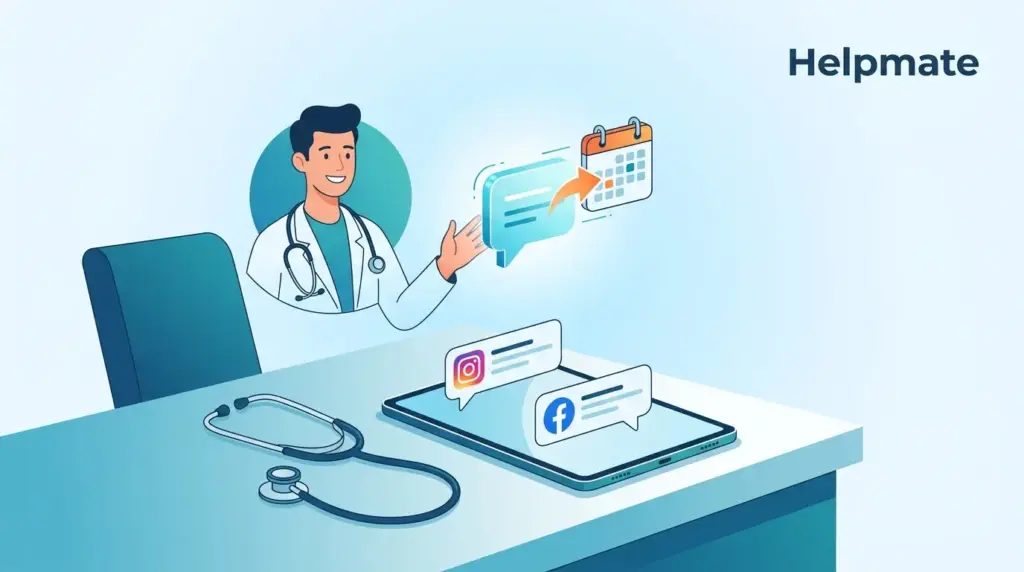
Auto DMs act like a bridge. Someone comments “how much is this?” and immediately gets a private message with a helpful answer plus a soft ask for their email. That moves things from a public thread—where you can’t say much—to a private channel where the real conversation happens.
But here’s where practices mess it up. They blast generic auto-replies that feel robotic and sometimes trigger spam flags. What actually works is keyword logic tied to real questions. If someone types “appointment,” they get a booking link and a polite request for contact info. The speed alone beats waiting three hours for the front desk to check Instagram during a lull.
There’s also a filtering effect. People who actually follow through and reply to your DM? They’re warmer leads than the drive-by commenters. When your CRM captures them automatically, your team knows who to call first instead of treating every thumbs-up and comment with the same energy.
What Is the Best Way to Capture Patient Leads From Instagram and Facebook?
If your DMs, comments, and web chat live in separate apps, you’re bleeding leads. Picture this: someone messages you on Instagram, then follows up on Facebook, then emails your office. Without a unified inbox, your team sees three random threads instead of one actual person. That’s how prospects fall through.
Integrated capture forms inside the chat widget fix this. The moment a conversation starts, the system can ask for name, phone, and what they’re looking for. It drops straight into their CRM profile. For practices running on WordPress, something like Helpmate – Live, Social & AI Chat with Built-in CRM handles this natively without duct-taping five tools together.
You also want source tagging. A lead from an Instagram comment needs a different follow-up vibe than someone who hit your website chat at 2 AM. Knowing where they came from also tells you where to spend your marketing money. When the capture happens automatically, your front desk stops playing data entry clerk and gets back to actual patient care.
How Should Medical Practices Handle Social Lead Follow-Up?
Speed is everything. A social lead starts going cold almost immediately. You need follow-up sequences that fire automatically while they’re still interested—intake forms, directions, prep instructions landing in their inbox before they forget they messaged you.
I’d also set up task-based workflows. New lead hits the CRM? Assign it to your scheduling coordinator with a hard due date. Still not booked after a day? Trigger a second email. It keeps things moving without making the process feel like a factory.
And put booking links in every message. Patients shouldn’t have to call during business hours to get on your calendar. With Helpmate, the Appointments & Bookings module plugs into the CRM, so open slots show up right inside the chat or confirmation email. Way less friction.
What Compliance Rules Apply to Medical Social Media Lead Gen?
This is the part nobody wants to think about, but you have to. Auto DMs can never—ever—disclose protected health information. Even confirming someone is already a patient in a public or unsecured DM can trip a HIPAA violation. Keep automated replies generic. Push anything sensitive toward encrypted email or your patient portal.
Consent is another landmine. CAN-SPAM and platform rules mean users need to knowingly opt in before you start emailing them. Your capture form should spell out exactly how you’ll use their info. Don’t use pre-checked boxes. That’s lazy and possibly illegal.
Platform policies also clamp down on health claims. Never promise specific outcomes in public comments or auto-replies. Stick to availability, scheduling help, and general education. If a question gets clinical, route it to a human. Don’t let the AI wing it.
How Do You Measure Social Lead Generation Success?
Stop looking at follower count. It doesn’t pay the bills. The number that actually matters is conversation-to-contact rate—out of everyone who comments or DMs you, how many give you real contact info? If that number’s low, your auto-reply or capture form is probably off.
Then watch contact-to-appointment rate. A hundred captured leads mean nothing if two show up. Look for drop-offs. Broken booking link? Emails hitting spam? Form asking for their life story before they can submit?
Response time tells a story too. Practices replying in under five minutes tend to outperform those who get back to people an hour later. Helpmate’s Analytics area pulls conversation metrics, lead sources, and team performance into one view, which makes it easier to figure out which social campaigns are actually driving revenue.
Frequently Asked Questions
Yes, but you have to configure them carefully. Never let an auto-reply disclose protected health information, and stay inside platform anti-spam rules. Stick to scheduling and general questions. Diagnosis or treatment talk belongs in a proper clinical setting, not a DM.
Less is more. Name, phone, email, and why they’re reaching out usually does it. Long forms kill completion rates. You can grab the rest during booking or intake.
Minutes, ideally. People expect fast replies on social, and if you’re slow, they’ll message the next practice down the road. Automation covers you after hours too.
Not at all. It works best when it’s connected to your website, CRM, and referral network. Think of it as another front door, not a replacement for what already works.
There’s a free version in the WordPress plugin directory that covers core chat and some CRM stuff. If you want advanced automation, sequences, and deeper integrations, you’ll need Pro.
It pulls everything into one place, which makes access controls and logging simpler to manage. But HIPAA isn’t automatic just because you unified your inbox. Your hosting, encryption, and internal policies still matter. And never send protected health info over unsecured social DMs.
Conclusion
Social comments aren’t just engagement anymore. For medical practices, they’re the actual starting line of the patient journey. Turning those interactions into real appointments comes down to three things: responding instantly with automation, capturing leads through unified chat and CRM, and actually following up with discipline.
- Treat comments like intent signals, not vanity numbers.
- Auto DMs shift the conversation from public to private in seconds.
- A unified CRM keeps leads from falling into the gap between platforms.
- Email sequences and booking links keep momentum alive.
- And keep PHI out of social auto-replies—seriously.
Medical practices that build this kind of pipeline stop losing revenue to competitors who simply reply faster. Start by checking how long it currently takes you to respond to a social message. Then layer in automation and capture that moves people from scrolling and curious to scheduled and in your chair. The patients are already commenting. The tools are already there. What’s missing is usually just the follow-through.